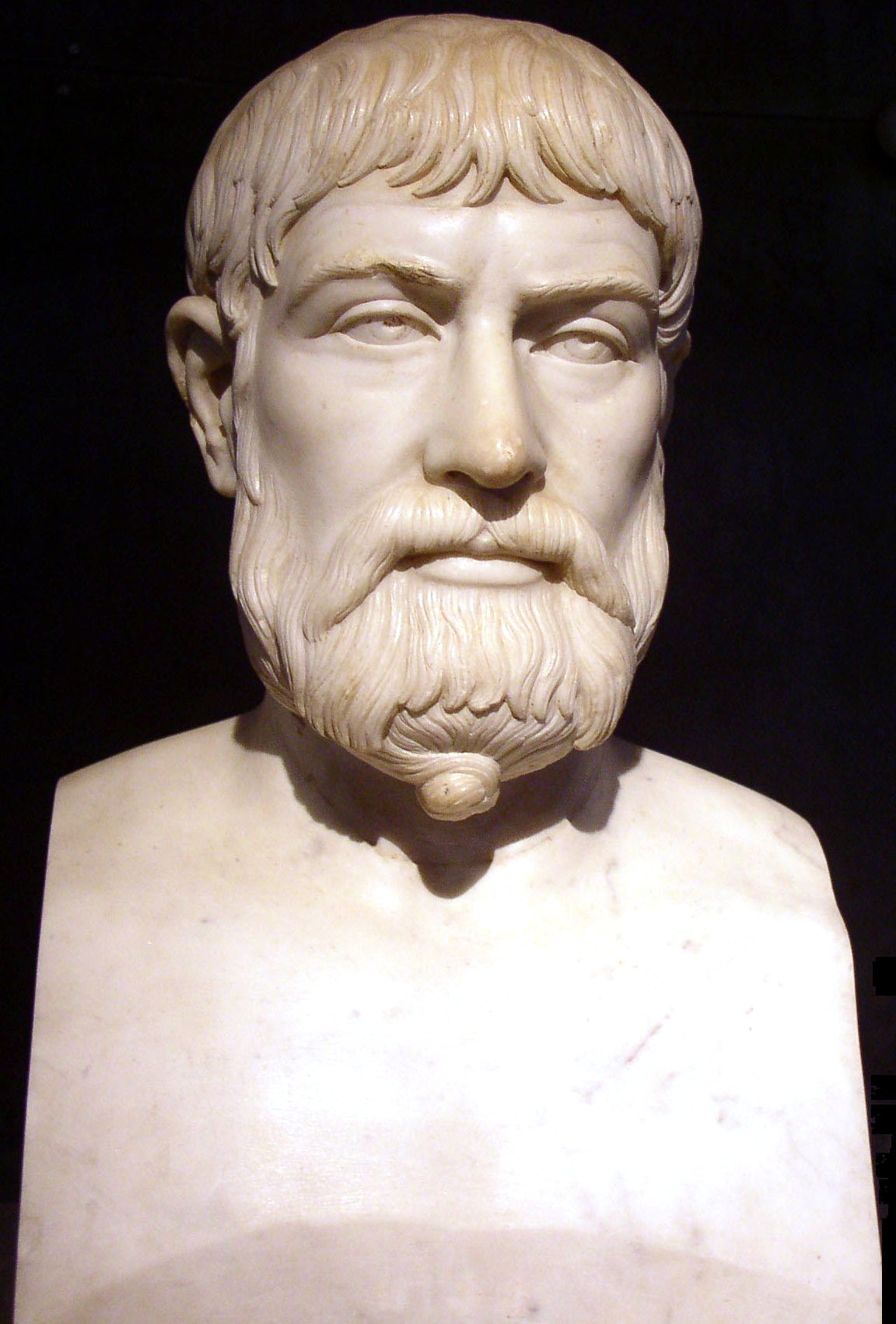
Pindar Berühmte Zitate
„Denn unsterblich in Tönen lebt fort, was ein Mund kunstvoll erzählt hat.“
Vierte Isthmische Ode
„Eines Schattens Traum sind Menschen.“
Achte Pythische Ode
(Original griech.:" Σκιᾶς ὄναρ ἄνθρωπος")
„Länger als Taten lebt das Wort.“
Vierte Nemeische Ode
(Original griech.: "ῥῆμα δ' ἑργμάτων χρονιώτερον βιοτεύει")
„Liebe Seele, trachte nicht nach dem ewigen Leben, sondern schöpfe das Mögliche aus.“
Dritte Pythische Ode
(Original griech.: "μή, φίλα ψυχά, βίον ἀθάνατον σπεῦδε, τὰν δ' ἔμπρακτον ἄντλει μαχανάν")
„Werde welcher du bist erfahren.“
Zweite Pythische Ode, übersetzt von Friedrich Hölderlin, in: Friedrich Beißner (Hg.), Friedrich Hölderlin - Sämtliche Werke, Fünfter Band, Kohlhammer, Stuttgart 1974 (Unveränd. Nachdr. der 1. Aufl. 1952). S. 74 wlb-stuttgart. de
Original: griech.: γένοι' οἷος ἐσσὶ μαθών
Variante: Beginne zu erkennen, wer du bist.
Pindar: Zitate auf Englisch
οὔ τοι ἅπασα κερδίων
φαίνοισα πρόσωπον ἀλάθει᾽ ἀτρεκής·
καὶ τὸ σιγᾶν πολλάκις ἐστὶ σοφώτατον ἀνθρώπῳ νοῆσαι.
Nemean 5, line 16-8; page 222. (483 BC?)
“Creatures of a day! What is a man?
What is he not? A dream of a shadow
Is our mortal being.”
Pythian 8, line 95-8; pages 162-3. (446 BC)
Kontext: Creatures of a day! What is a man?
What is he not? A dream of a shadow
Is our mortal being. But when there comes to men
A gleam of splendour given of Heaven,
Then rests on them a light of glory
And blesséd are their days.
“But if a man shall hope in aught he does
To escape the eyes of god, he makes an error.”
Pindar buch Olympic Odes
Olympian 1, line 63; page 6
Olympian Odes (476 BC)
“Whoever knows many things
By nature is a poet.”
Pindar buch Olympic Odes
Olympian 2, line 87; page 16; the Greek simply says:
"wise is one who knows much by nature," but σοφός is Pindar's usual word for poet.
Variant translations:
Inborn of nature's wisdom
The poet's truth.
Olympian Odes (476 BC)
Pindar buch Olympic Odes
Ἄριστον μὲν ὕδωρ, ὁ δὲ χρυσὸς αἰθόμενον πῦρ ἅτε διαπρέπει
νυκτὶ μεγάνορος ἔξοχα πλούτου.
Olympian 1, line 1-2; page 1
Closer translation:
Best is water, but gold stands out blazing like fire
at night beyond haughty wealth.
Olympian Odes (476 BC)
γλυκύ δ᾽ἀπείρῳ πόλεμος.
πεπειραμένων δέ τις ταρβεῖ προσιόντα νιν καρδία περισσῶς.
Fragment 110; page 377.
Variant translations: This phrase is the origin of the Latin proverb "Dulce bellum inexpertis" which is sometimes misattributed to Desiderius Erasmus.
War is sweet to them that know it not.
War is sweet to those not acquainted with it
War is sweet to those who do not know it.
War is sweet to those that never have experienced it.
War is delightful to those who have had no experience of it.
“For words
Live longer down the years than deeds.”
Nemean 4, line 6; page 213. (473 BC?)
“Do not yearn, O my soul, for immortal life!
Use to the utmost
the skill that is yours.”
Pythian 3, line 61-62.
Variant translation: Seek not, my soul, immortal life, but make the most of the resources that are within your reach.
“Law, the king of all mortals and immortals.”
As quoted in Plato's Gorgias, 484b.
“Days to come will prove the surest witness.”
Pindar buch Olympic Odes
ἁμέραι δ᾽ ἐπίλοιποι
μάρτυρες σοφώτατοι.
Olympian 1, line 33-4; page 4
Olympian Odes (476 BC)
“Become such as you are, having learned what that is”
Pythian 2, line 72.
Variant translations:
Be what you know you are
Be true to thyself now that thou hast learnt what manner of man thou art
Having learned, become who you are
“Time is the best preserver of righteous men.”
Fragment 159; page 387


