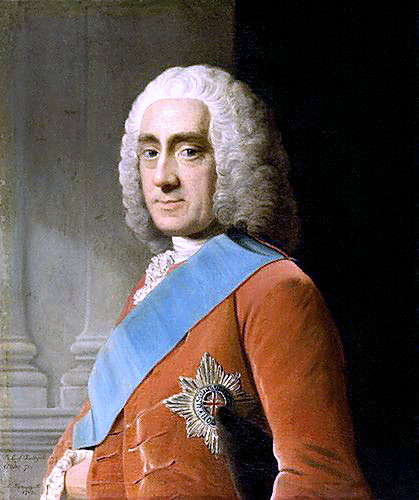
Briefe über die anstrengende Kunst, ein Gentleman zu werden
Philip Stanhope Chesterfield: 76 Zitate1 Gefällt mir
Philip Stanhope Chesterfield Berühmte Zitate
Briefe über die anstrengende Kunst, ein Gentleman zu werden
Briefe über die anstrengende Kunst, ein Gentleman zu werden
„Du musst dich jetzt anstrengen oder nie.“
Briefe über die anstrengende Kunst, ein Gentleman zu werden
„Eher wird ein Unrecht verziehen als eine Beleidigung.“
Briefe über die anstrengende Kunst, ein Gentleman zu werden
„Ein kluger Mann lebt weder geistig noch finanziell über seine Verhältnisse.“
Briefe über die anstrengende Kunst, ein Gentleman zu werden
Philip Stanhope Chesterfield Zitate und Sprüche
„Eine gute Unterhaltung erträgt so wenig einen Diktator wie ein freies Staatswesen.“
Briefe über die anstrengende Kunst, ein Gentleman zu werden
„Scherze nie mit Leuten, wenn du siehst, dass sie gerade ernst und nachdenklich sind.“
Briefe über die anstrengenden Kunst, ein Gentleman zu werden
„Urteilskraft ist nicht bei jeder Gelegenheit erforderlich, Takt aber immer.“
Briefe über die anstrengende Kunst, ein Gentleman zu werden
„Wenn im Herzen keine Bosheit ist, so sind immer Heiterkeit und Leichtigkeit in Miene und Manieren.“
Briefe über die anstrengende Kunst, ein Gentleman zu werden
„Wer liebenswürdig ist, macht sich beinahe so viele Freunde, wie er Bekanntschaften macht.“
Briefe über die anstrengenden Kunst, ein Gentleman zu werden
Philip Stanhope Chesterfield: Zitate auf Englisch
“Religion is by no means a proper subject of conversation in a mixed company.”
Philip Stanhope, 4th Earl of Chesterfield
Letter to his godson, No.112 (undated)
“Marriage is the cure of love, and friendship the cure of marriage.”
Philip Stanhope, 4th Earl of Chesterfield
Detached Thoughts http://books.google.com/books?id=vVdSAAAAcAAJ&q=%22Marriage+is+the+cure+of+love+and+friendship+the+cure+of+marriage%22&pg=PA384#v=onepage, first published in Letters and Works of Philip Dormer Stanhope, volume 5 (1847)
“Advice is seldom welcome; and those who want it the most always like it the least.”
Philip Stanhope, 4th Earl of Chesterfield
29 January 1748
Letters to His Son on the Art of Becoming a Man of the World and a Gentleman (1774)
Philip Stanhope, 4th Earl of Chesterfield
19 December 1749
Letters to His Son on the Art of Becoming a Man of the World and a Gentleman (1774)
Kontext: We must not suppose that, because a man is a rational animal, he will, therefore, always act rationally; or, because he has such or such a predominant passion, that he will act invariably and consequentially in pursuit of it. No, we are complicated machines; and though we have one main spring that gives motion to the whole, we have an infinity of little wheels, which, in their turns, retard, precipitate, and sometime stop that motion.
Philip Stanhope, 4th Earl of Chesterfield
5 September 1748
Letters to His Son on the Art of Becoming a Man of the World and a Gentleman (1774)
Philip Stanhope, 4th Earl of Chesterfield
1 July 1748
Letters to His Son on the Art of Becoming a Man of the World and a Gentleman (1774)
Philip Stanhope, 4th Earl of Chesterfield
11 May 1752
Letters to His Son on the Art of Becoming a Man of the World and a Gentleman (1774)
Philip Stanhope, 4th Earl of Chesterfield
17 March 1748
Letters to His Son on the Art of Becoming a Man of the World and a Gentleman (1774)
Philip Stanhope, 4th Earl of Chesterfield
19 December 1749
Letters to His Son on the Art of Becoming a Man of the World and a Gentleman (1774)
Philip Stanhope, 4th Earl of Chesterfield
16 March 1752
Letters to His Son on the Art of Becoming a Man of the World and a Gentleman (1774)
“People will no more advance their civility to a bear, than their money to a bankrupt.”
Philip Stanhope, 4th Earl of Chesterfield
25 December 1753
Letters to His Son on the Art of Becoming a Man of the World and a Gentleman (1774)
Philip Stanhope, 4th Earl of Chesterfield
Letter
Letters to His Son on the Art of Becoming a Man of the World and a Gentleman (1774)
Philip Stanhope, 4th Earl of Chesterfield
6 November 1747
Letters to His Son on the Art of Becoming a Man of the World and a Gentleman (1774)
Philip Stanhope, 4th Earl of Chesterfield
"Advice to a Lady in Autumn", published in A Collection of Poems in Six Volumes. By Several Hands. Vol. I. (1763), printed by J. Hughs, for R. and J. Dodsley
“Be wiser than other people if you can; but do not tell them so.”
Philip Stanhope, 4th Earl of Chesterfield
19 November 1745
Letters to His Son on the Art of Becoming a Man of the World and a Gentleman (1774)
Philip Stanhope, 4th Earl of Chesterfield
"Advice to a Lady in Autumn", published in A Collection of Poems in Six Volumes. By Several Hands. Vol. I. (1763), printed by J. Hughs, for R. and J. Dodsley
“Without some dissimulation no business can be carried on at all.”
Philip Stanhope, 4th Earl of Chesterfield
22 May 1749
Letters to His Son on the Art of Becoming a Man of the World and a Gentleman (1774)
“Mark in the meadows the ruin of Time;
Take the hint, and let life be improv'd in its prime.”
Philip Stanhope, 4th Earl of Chesterfield
"Advice to a Lady in Autumn", published in A Collection of Poems in Six Volumes. By Several Hands. Vol. I. (1763), printed by J. Hughs, for R. and J. Dodsley
“Courts and camps are the only places to learn the world in.”
Philip Stanhope, 4th Earl of Chesterfield
2 October 1747
Letters to His Son on the Art of Becoming a Man of the World and a Gentleman (1774)
Philip Stanhope, 4th Earl of Chesterfield
14 April 1747
Letters to His Son on the Art of Becoming a Man of the World and a Gentleman (1774)
“Dispatch is the soul of business.”
Philip Stanhope, 4th Earl of Chesterfield
5 February 1750
Letters to His Son on the Art of Becoming a Man of the World and a Gentleman (1774)
“Whatever is worth doing at all, is worth doing well.”
Philip Stanhope, 4th Earl of Chesterfield
The French attribute this to the painter Nicolas Poussin (born 15 June 1594) "Ce qui vaut la peine d'être fait vaut la peine d'être bien fait"
Disputed
Philip Stanhope, 4th Earl of Chesterfield
7 February 1749
Letters to His Son on the Art of Becoming a Man of the World and a Gentleman (1774)
Philip Stanhope, 4th Earl of Chesterfield
15 January 1753
Letters to His Son on the Art of Becoming a Man of the World and a Gentleman (1774)
“Idleness is only the refuge of weak minds.”
Philip Stanhope, 4th Earl of Chesterfield
20 July 1749
Letters to His Son on the Art of Becoming a Man of the World and a Gentleman (1774)
Philip Stanhope, 4th Earl of Chesterfield
15 January 1748
Letters to His Son on the Art of Becoming a Man of the World and a Gentleman (1774)
“You foolish man, you do not understand your own foolish business.”
Philip Stanhope, 4th Earl of Chesterfield
Attributed to Chesterfield by George Agar-Ellis, 1st Baron Dover, in his 1833 edition of Horace Walpole's letters to Sir Horace Mann, such statements have been attributed to many others, such as Lord Chief Justice Campbell, William Henry Maule (in the form "You silly old fool, you don't even know the alphabet of your own silly old business"), Sir William Harcourt, Lord Pembroke, Lord Westbury, and to an anonymous judge, and said to have been spoken in court to Garter King at Arms, Rouge Dragon Pursuivant, or some other high-ranking herald, who had confused a "bend" with a "bar" or had demanded fees to which he was not entitled. George Bernard Shaw uses it in Pygmalion (1912) in the form, "The silly people dont [sic] know their own silly business." Similar remarks occur in Charles Jenner's The Placid Man: Or, The Memoirs of Sir Charles Beville (1770): "Sir Harry Clayton ... was perhaps far better qualified to have written a Peerage of England than Garter King at Arms, or Rouge Dragon, or any of those parti-coloured officers of the court of honor, who, as a great man complained on a late solemnity, are but too often so silly as not to know their own silly business." "Old Lord Pembroke" (Henry Herbert, 9th Earl of Pembroke) is said by Horace Walpole (in a letter of 28 May 1774 to the Rev. William Cole) to have directed the quip, "Thou silly fellow! Thou dost not know thy own silly business," at John Anstis, Garter King at Arms. Edmund Burke also quotes such a remark in his "Speech in the Impeachment of Warren Hastings, Esq." on 7 May 1789: "'Silly man, that dost not know thy own silly trade!' was once well said: but the trade here is not silly."
Disputed


