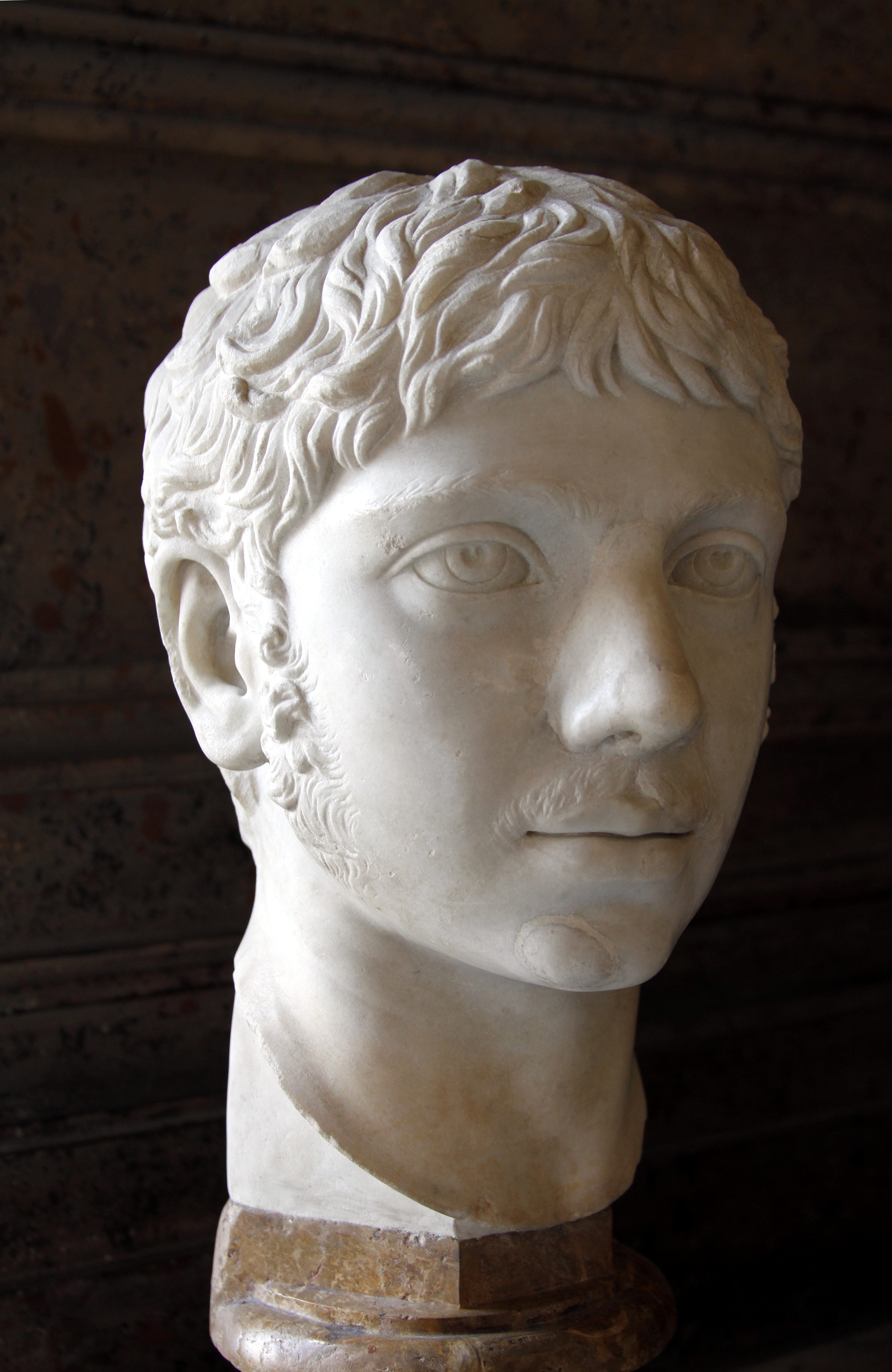
Michael L. Meckler, in "Elagabalus (218-222 A.D.)" in De Imperatoribus Romanis : An Online Encyclopedia of Roman Emperors (1997) http://www.roman-emperors.org/elagabal.htm <br class="br">Kontext: Scholars have often viewed the failure of Elagabalus' reign as a clash of cultures between "Eastern" (Syrian) and "Western" (Roman), but this dichotomy is not very useful. The criticisms of the emperor's effeminacy and sexual behavior mirror those made of earlier emperors (such as Nero) and do not need to be explained through ethnic stereotypes. With regard to religion, the emperor's promotion of the cult of the Emesene sun-god was certainly ridiculed by contemporary observers, but this cult was popular among soldiers and would remain so. Moreover, the cult continued to be promoted by later emperors of non-Syrian ethnicity, calling the god The Unconquered Sun (Sol Invictus).<br>Elagabalus is best understood as a teenager who was raised near the luxury of the imperial court and who then suffered a drastic change of fortune brought about by the sudden deaths — probably within one year — of his father, his grandfather and his cousin, the emperor Caracalla. Thrust upon the throne, Elagabalus lacked the required discipline. For a while, Romans may well have been amused by his "Merrie Monarch" behavior, but he ended up offending those he needed to inspire. His reign tragically demonstrated the difficulties of having a teenage emperor.
Elagabal: Zitate auf Englisch
Last words, as reported in The Book of Ancient Bastards: 101 of the Worst Miscreants and Misdeeds from Ancient Sumer to the Enlightenment (2011) by Brian Thornton, p. 134; his mother was also murdered, their bodies beheaded, dragged through Rome, and dumped into the Tiber river. <br class="br">Variants: <br class="br">Let my mother be, leave her alone! <br class="br">As quoted in "Elagabalus: Queen of Rome" by Kim Seabrook at Prisoners of Eternity (2013) http://www.prisonersofeternity.co.uk/elagabalus-queen-of-rome/
Michael L. Meckler, in "Elagabalus (218-222 A.D.)" in De Imperatoribus Romanis : An Online Encyclopedia of Roman Emperors (1997) http://www.roman-emperors.org/elagabal.htm <br class="br">Kontext: Scholars have often viewed the failure of Elagabalus' reign as a clash of cultures between "Eastern" (Syrian) and "Western" (Roman), but this dichotomy is not very useful. The criticisms of the emperor's effeminacy and sexual behavior mirror those made of earlier emperors (such as Nero) and do not need to be explained through ethnic stereotypes. With regard to religion, the emperor's promotion of the cult of the Emesene sun-god was certainly ridiculed by contemporary observers, but this cult was popular among soldiers and would remain so. Moreover, the cult continued to be promoted by later emperors of non-Syrian ethnicity, calling the god The Unconquered Sun (Sol Invictus).<br>Elagabalus is best understood as a teenager who was raised near the luxury of the imperial court and who then suffered a drastic change of fortune brought about by the sudden deaths — probably within one year — of his father, his grandfather and his cousin, the emperor Caracalla. Thrust upon the throne, Elagabalus lacked the required discipline. For a while, Romans may well have been amused by his "Merrie Monarch" behavior, but he ended up offending those he needed to inspire. His reign tragically demonstrated the difficulties of having a teenage emperor.
“I am emperor. It is I who know what is best for Rome. Not you traitors.”
Statement as he prepared to flee a camp after angry exchanges and insults with his Praetorian Guard; as quoted in The Gigantic Book of Horse Wisdom (2007) by Thomas Meagher, p. 298
Kontext: I am emperor. It is I who know what is best for Rome. Not you traitors. Now, let go of my horses!
“He undertook to disparage my age when he himself had appointed his ten-year-old son.”
Referring to the Emperor Macrinus and his declaration of his son Diadumenianus to be '"Caesar". The head of Diadumenianus was presented to Elagabalus as a trophy. As quoted in Dio's Roman History (1955), as translated by Earnest Cary, p. 439
“[He was] delighted to be called the mistress, the wife, the Queen of Hierocles.”
Harry Benjamin in The Transsexual Phenomenon http://www.symposion.com/ijt/benjamin/ (1966)


.jpg)