Robert Greene Zitate

Robert Greene war ein englischer Schriftsteller.

Über Greenes Kindheit und Jugend ist recht wenig bekannt. Er studierte die Künste an den Universitäten Cambridge und Oxford . Nach der erfolgreichen Beendigung seines Studiums unternahm er eine ausgedehnte Kavalierstour, in der er Frankreich, Italien und die Schweiz bereiste.

1585 heiratete er, verließ aber seine Frau zugunsten eines freien Schriftstellerlebens in London. Im Alter von 34 Jahren starb Robert Greene am 3. September 1592 in London. Berüchtigt für sein ausschweifendes und zügelloses Leben sei er laut den Worten seines Schriftsteller-Kollegen Gabriel Harvey anlässlich eines Abendessens betrunken an einem Hering erstickt.

Obwohl Greenes literarisches Werk immer wieder neu aufgelegt oder inszeniert wurde, hat eigentlich nur sein Pandosto überdauert. Dieses Werk diente William Shakespeare als Vorlage für sein Wintermärchen. Er lebte von der Schriftstellerei und schrieb zahlreiche Pamphlete und Bücher in der Hoffnung, dem Interesse des Publikums entgegenzukommen, so ein Traktat über Falschspieler , fünf Theaterstücke und ein Geschichtsbuch The Scottish History of James IV.

Sein bitterer Spott auf den nicht akademisch gebildeten Emporkömmling Shakespeare in A groatworth of wit ist eine der wenigen Erwähnungen von Shakespeare durch Zeitgenossen und wird gern als Beweis zitiert, dass dieser schon damals begann die Theaterszene zu erschüttern. Wikipedia  

✵ 11. Juli 1558 – 3. September 1592
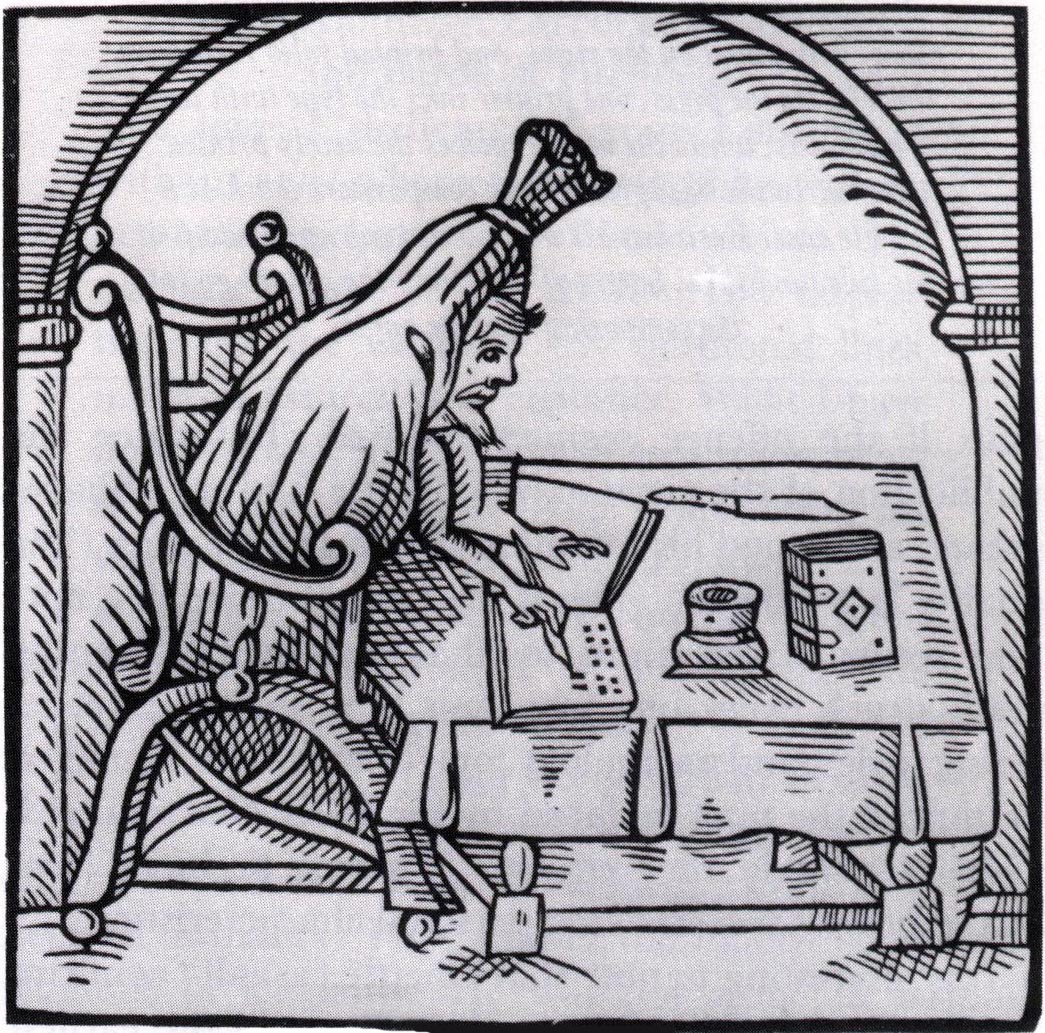
Robert Greene Foto
Robert Greene: 11 Zitate0 Gefällt mir

Robert Greene: Zitate auf Englisch

“Sweet are the thoughts that savour of content, The quiet mind is richer than a crown…”

Robert Greene (dramatist)

Quelle: Greene's Farewell to Folly (1591)
Kontext: Sweet are the thoughts that savour of content;
The quiet mind is richer than a crown;
Sweet are the nights in careless slumber spent;
The poor estate scorns fortune’s angry frown;
Such sweet content, such minds, such sleep, such bliss;
Beggars enjoy, when princes oft do miss”

“There is an upstart crow, beautified with our feathers, that with his tiger's heart wrapped in a player's hide supposes he is as well able to bombast out a blank verse as the best of you: and being an absolute Johannes Factotum, is in his own conceit the only Shake-scene in a country.”

Robert Greene (dramatist)

Groatsworth of Wit; cited from William Shakespeare (ed. Stephen Orgel and A. R. Braunmuller) The Complete Works (Harmondsworth: Penguin, 2002) p. xlvii.
Probably the earliest reference to Shakespeare as a figure in the theatrical world.

“Sweet are the thoughts that savour of content;
The quiet mind is richer than a crown.”

Robert Greene (dramatist)

Song, "Sweet are the thoughts that savour of content", line 1, from Farewell to Folly (1591); Dyce p. 309.

“Ah Franion, treason is loved of many, but the Traitor hated of all: unjust offences may for a time escape without danger, but never without revenge.”

Robert Greene (dramatist) buch Pandosto

Pandosto (1588); p. 9 http://books.google.com/books?id=5FIPAAAAQAAJ&amp;q=&amp;quot;Treason+is+loved+of+many+but+the+traitor+hated+of+all&amp;quot;&amp;pg=PA9#v=onepage. <br class="br">Compare: &quot;Cæsar said he loved the treason, but hated the traitor&quot;, Plutarch, Life of Romulus. <br class="br">Compare: &quot;This principle is old, but true as fate,—<br>Kings may love treason, but the traitor hate.&quot; Thomas Dekker, The Honest Whore (1604).

“Weep not, my wanton, smile upon my knee;
When thou art old there’s grief enough for thee.”

Robert Greene (dramatist)

"Sephestia's Song to her Child", line 1, from Menaphon (1589); Dyce p. 286.

“A mind content both crown and kingdom is.”

Robert Greene (dramatist)

Song, "Sweet are the thoughts that savour of content", line 12, from Farewell to Folly (1591); Dyce p. 309.

“Deceiving world, that with alluring toys
Hast made my life the subject of thy scorn,
And scornest now to lend thy fading joys,
T'outlength my life, whom friends have left forlorn;
How well are they that die ere they be born,
And never see thy sleights, which few men shun
Till unawares they helpless are undone!”

Robert Greene (dramatist)

"Verses", line 1, from Groatsworth of Wit (1592); Dyce p. 310.
Groatsworth of Wit was published posthumously under Greene's name, but it was heavily revised by Henry Chettle, and may have been partially or even totally written by him.

Ähnliche Autoren

Daniel Defoe Foto
Daniel Defoe10
englischer Schriftsteller und Journalist None
John Donne Foto
John Donne4
englischer Schriftsteller None
Alexander Pope Foto
Alexander Pope14
englischer Dichter, Übersetzer und Schriftsteller None
Samuel Johnson Foto
Samuel Johnson8
englischer Gelehrter, Schriftsteller, Dichter, Kritiker und… None
Laurence Sterne Foto
Laurence Sterne5
britischer Schriftsteller None
Samuel Butler d.Ä. Foto
Samuel Butler d.Ä.4
englischer Dichter None
Jonathan Swift Foto
Jonathan Swift15
englisch-irischer Schriftsteller und Satiriker None
Joseph Addison Foto
Joseph Addison7
englischer Dichter, Politiker und Journalist None
John Milton Foto
John Milton5
englischer Dichter None
Francis Bacon Foto
Francis Bacon89
englischer Philosoph, Staatsmann und Naturwissenschaftler None