John Coleridge, 1st Baron Coleridge
Huxley v. West London Extension Railway Co. (1886), L. R. 17 Q. B. D. 383.
John Duke Coleridge, 1. Baron Coleridge PC war ein britischer Anwalt, Richter und Politiker.
Coleridge war der älteste Sohn von Sir John Taylor Coleridge und der Großneffe des Dichters Samuel Taylor Coleridge. Er besuchte das Eton College und studierte dann am Balliol College, Oxford. Von 1853 bis 1854 war er Sekretär der Royal Commission on the City of London. Im Jahre 1865 wurde er für die Liberal Party ins House of Commons gewählt. Von 1868 bis 1873 war er zunächst Attorney General und dann Solicitor General. Er wechselte dann in das Amt des Chief Justice of the Common Pleas, das er sieben Jahre innehatte. Bereits am 10. Januar 1874 wurde Coleridge als Baron Coleridge, of Ottery St. Mary in the County of Devon, in den erblichen Adelsstand erhoben.
1880 wurde er Lord Chief Justice of England.
Lord Coleridge war mit Jane Fortescue Seymour verheiratet und hatte mit ihr vier Kinder. Seine erste Frau starb 1878. Er heiratete 1885 Amy Augusta Jackson Lawford. Lord Coleridge starb 74-jährig am 14. Juni 1894. Seinen Titel erbte sein ältester Sohn Bernard, der ebenfalls ein bekannter Richter wurde. Wikipedia
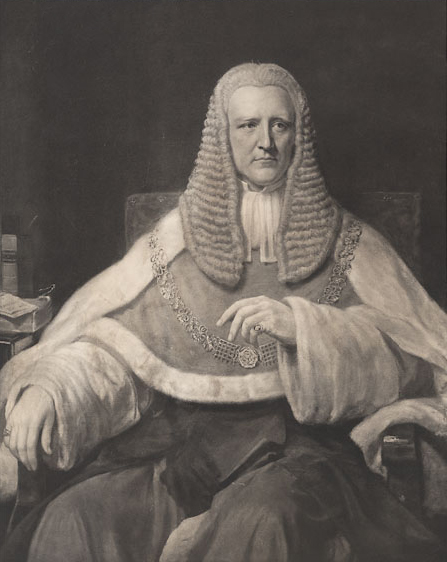
John Coleridge, 1st Baron Coleridge
Huxley v. West London Extension Railway Co. (1886), L. R. 17 Q. B. D. 383.
“We must follow the old authorities and precedents in criminal matters.”
John Coleridge, 1st Baron Coleridge
Queen v. Sowerby (1894), L. R. 2 Q. B. D. [1894], p. 175.
“I must lay down the law as I understand it, and as I read it in books of authority.”
John Coleridge, 1st Baron Coleridge
1 Cababe & Ellis' Q. B. D. Rep. 136.
Reg. v. Ramsey (1883)
“What is one man's gain is another's loss.”
John Coleridge, 1st Baron Coleridge
Connor v. Kent (1891), 61 L. J. Rep. Mag. Ca. 18.
“Persecution is a very easy form of virtue.”
John Coleridge, 1st Baron Coleridge
1 Cababe & Ellis' Q. B. D. Rep. 145.
Reg. v. Ramsey (1883)
John Coleridge, 1st Baron Coleridge
Reg. v. Ramsay and Foote (1883), 15 Cox, C. C. 235.
“A difficult form of virtue is to try in your own life to obey what you believe to be God's will.”
John Coleridge, 1st Baron Coleridge
1 Cababe & Ellis' Q. B. D. Rep. 145.
Reg. v. Ramsey (1883)
“We have to administer the law whether we like it or no.”
John Coleridge, 1st Baron Coleridge
Reg. v. Ramsey (1886), 1 Cab. & Ellis' Q. B. D. Rep. 148.
“A Court has no right to strain the law because it causes hardship.”
John Coleridge, 1st Baron Coleridge
Body v. Halse (1891) L. R. 1 Q. B. [1892], p. 207.
John Coleridge, 1st Baron Coleridge
1 Cababe & Ellis' Q. B. D. Rep. 136.
Reg. v. Ramsey (1883)
“As a lawyer I am before and above all things for the supremacy of law.”
John Coleridge, 1st Baron Coleridge
The Queen v. Bishop of London (1889), L. R. 23 Q. B. 452.
John Coleridge, 1st Baron Coleridge
1 Cababe & Ellis' Q. B. D. Rep. 134.
Reg. v. Ramsey (1883)
“We are now Courts of equity, and must decide the thing according to all the rights.”
John Coleridge, 1st Baron Coleridge
Cooper v. Griffin (1892), 61 L. J. Rep. Q. B. 566.
John Coleridge, 1st Baron Coleridge
Reg. v. Gibson (1887), 18 Q. B. D. 537; 16 Cox, C. C. 181.
John Coleridge, 1st Baron Coleridge
Dublin, &c. Rail. Co. v. Slattery (1878), L. R. 3 App. Ca. 1197.
John Coleridge, 1st Baron Coleridge
1 Cababe & Ellis' Q. B. D. Rep. 135.
Reg. v. Ramsey (1883)
John Coleridge, 1st Baron Coleridge
The Queen v. Instan (1893), L. R. 1 Q. B. [1893], p. 453.
John Coleridge, 1st Baron Coleridge
Reg. v. Labouchere (1884), 15 Cox, C. C. 425.
John Coleridge, 1st Baron Coleridge
1 Cababe & Ellis' Q. B. D. Rep. 133.
Reg. v. Ramsey (1883)
John Coleridge, 1st Baron Coleridge
1 Cababe & Ellis' Q. B. D. Rep. 134.
Reg. v. Ramsey (1883)
John Coleridge, 1st Baron Coleridge
Reg. v. Bradlaugh and others (1883), 15 Cox, C.C. 230.


