“Only by knowledge of that which is not thyself, shall thyself be learned.”
Robert Bulwer-Lytton, 1st Earl of Lytton
"Γνωθι Σεαυτον" ("Know Thyself"), in The Poetical Works of Owen Meredith (1867), Vol. I, p. 247.
Edward Robert Bulwer-Lytton, 1. Earl of Lytton GCB GCSI GCIE PC war ein britischer Diplomat und Schriftsteller. Er veröffentlichte Gedichte unter dem Künstlernamen „Owen Meredith“. Wikipedia
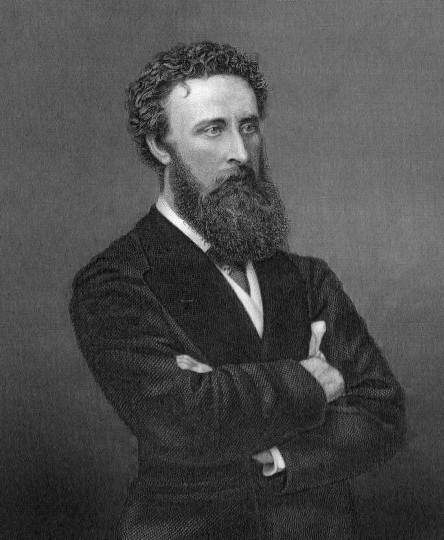
“Only by knowledge of that which is not thyself, shall thyself be learned.”
Robert Bulwer-Lytton, 1st Earl of Lytton
"Γνωθι Σεαυτον" ("Know Thyself"), in The Poetical Works of Owen Meredith (1867), Vol. I, p. 247.
Robert Bulwer-Lytton, 1st Earl of Lytton
Changes, reported in Bartlett's Familiar Quotations, 10th ed. (1919).
“The things which must be must be for the best.”
Robert Bulwer-Lytton, 1st Earl of Lytton
Imperfection, reported in Bartlett's Familiar Quotations, 10th ed. (1919).
“The world is a nettle; disturb it, it stings.
Grasp it firmly, it stings not.”
Robert Bulwer-Lytton, 1st Earl of Lytton
Part iii, canto ii. Quoted by Walt Whitman in Roaming in Thought.
Lucile (1860)
“Genius does what it must, talent does what it can.”
Robert Bulwer-Lytton, 1st Earl of Lytton
Last Words, reported in Bartlett's Familiar Quotations, 10th ed. (1919).
“Oh, moment of sweet peril, perilous sweet! When woman joins herself to man.”
Robert Bulwer-Lytton, 1st Earl of Lytton
The Wanderer, Prologue, Stanza 1, reported in Bartlett's Familiar Quotations, 10th ed. (1919).
Robert Bulwer-Lytton, 1st Earl of Lytton
Part i, canto ii.
Lucile (1860)
“Art is Nature made by Man
To Man the interpreter of God.”
Robert Bulwer-Lytton, 1st Earl of Lytton
The Artist, reported in Bartlett's Familiar Quotations, 10th ed. (1919).
Robert Bulwer-Lytton, 1st Earl of Lytton
The Wanderer, Book iv, Stanza 9, reported in Bartlett's Familiar Quotations, 10th ed. (1919).
“Those true eyes
Too pure and too honest in aught to disguise
The sweet soul shining through them.”
Robert Bulwer-Lytton, 1st Earl of Lytton
Part ii, canto ii. Compare: "Ils sont si transparents qu’ils laissent voir votre âme" (translated: Eyes so transparent that through them the soul is seen), Theophile Gautier, The Two Beautiful Eyes.
Lucile (1860)
Robert Bulwer-Lytton, 1st Earl of Lytton
Part ii, canto ii.
Lucile (1860)
Robert Bulwer-Lytton, 1st Earl of Lytton
Part ii, canto vi.
Lucile (1860)
“The unknown
Is life to love, religion, poetry.”
Robert Bulwer-Lytton, 1st Earl of Lytton
Quelle: The Wanderer (1859), Prologue, Part i, stanza xxi, p. 8.


