Fritjof Capra buch The Turning Point
Preface.
The Turning Point (1982)
Fritjof Capra ist ein österreichisch-amerikanischer Physiker, Systemtheoretiker, Philosoph, Managementtrainer und Autor. Er versucht, mit einem ganzheitlich-systemischen Ansatz eine Verbindung zwischen östlicher Mystik und moderner Physik herzustellen und setzt sich für eine nachhaltige ökologische Lebensweise in einer globalen Zivilgesellschaft ein. Mitte der 1970er bis in die 1980er Jahre galt er als einer der Hauptvertreter der esoterischen „New-Age-Bewegung“, ein Begriff, der später nicht mehr als Selbstbezeichnung verwandt wurde, sondern eine abwertende Bedeutung erhielt. Capra distanzierte sich dementsprechend von der Bewegung.
Er ist Gründungsdirektor des Center for Ecoliteracy in Berkeley, Kalifornien, und unterrichtet am Schumacher College, einem internationalen Zentrum für ökologische Studien in England. Er lebt in Berkeley in Kalifornien. Wikipedia
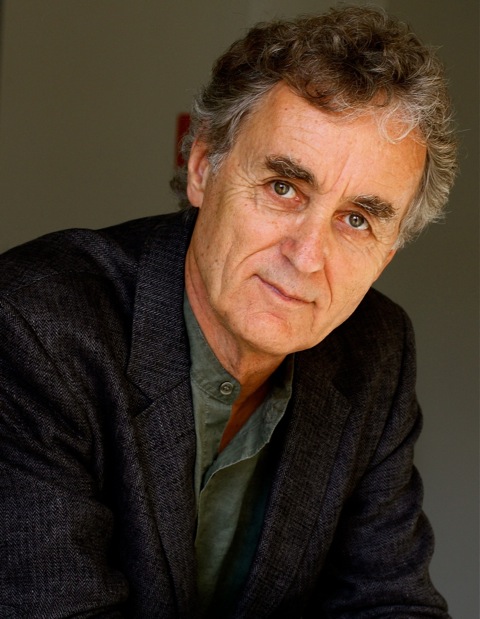
Fritjof Capra buch The Turning Point
Preface.
The Turning Point (1982)
Fritjof Capra buch The Tao of Physics
Epilogue, p. 306.
The Tao of Physics (1975)
Fritjof Capra buch The Tao of Physics
Quelle: The Tao of Physics (1975), Ch. 1, Modern Physics, p. 17.
Fritjof Capra buch The Turning Point
Quelle: The Turning Point (1982), p. 82.
Quelle: The Tao of Physics: An Exploration of the Parallels between Modern Physics and Eastern Mysticism
Kontext: At the subatomic level, matter does not exist with certainty at definite places, but rather shows "tendencies to exist," and atomic events do not occur with certainty at definite times and in definite ways, but rather show "tendencies to occur."
Epilogue: Ecological Literacy
The Web of Life (1996)
Epilogue: Ecological Literacy
The Web of Life (1996)
Epilogue: Ecological Literacy
The Web of Life (1996)
Fritjof Capra buch The Turning Point
Quelle: The Turning Point (1982), Ch. 1. The Turning of the Tide.
Fritjof Capra buch The Tao of Physics
Quelle: The Tao of Physics (1975), Ch. 3, Beyond Language, p. 46.
Fritjof Capra buch The Tao of Physics
Quelle: The Tao of Physics (1975), Ch. 3, Beyond Language, p. 50.
Epilogue: Ecological Literacy
The Web of Life (1996)
Quelle: The Web of Life (1996), p. 30.
Fritjof Capra buch The Turning Point
Quelle: The Turning Point (1982), p. 93.
Fritjof Capra buch The Hidden Connections
Quelle: The Hidden Connections (2002), p. 86 Ch. 4 Life and Leadership in Organizations http://beahrselp.berkeley.edu/wp-content/uploads/2010/06/Capra-Hidden-Connections-Ch-4.pdf.
Fritjof Capra buch The Tao of Physics
Quelle: The Tao of Physics (1975), p. 244.
Quelle: The Web of Life (1996), p. 3; As cited in: Michael C. Jackson (2000) Systems Approaches to Management. p. 5.
Fritjof Capra buch The Hidden Connections
Quelle: The Hidden Connections (2002), p. 8.
Fritjof Capra buch The Turning Point
Quelle: The Turning Point (1982), p. 78.
Fritjof Capra buch The Tao of Physics
Quelle: The Tao of Physics (1975), Ch. 1, Modern Physics, p. 19.
Quelle: The Web of Life (1996), p. 46.
Epilogue: Ecological Literacy
The Web of Life (1996)
Epilogue: Ecological Literacy<!--p.300-->
The Web of Life (1996)
Capra (2007) in: Francis Pisani " An Interview with Fritjof Capra http://ijoc.org/ojs/index.php/ijoc/article/view/69/25" in: International Journal of Communication Vol 1 (2007).
Fritjof Capra buch The Turning Point
Preface.
The Turning Point (1982)
“A diverse community is a resilient community, capable of adapting to changing situations.”
Epilogue: Ecological Literacy
The Web of Life (1996)
Fritjof Capra, Gunter A. Pauli (1995) Steering business toward sustainability. p. 3 cited in: Elmer Kennedy-Andrews (2008) Writing Home. p. 13.


