“Tired of myself longing for what I have not”
Samuel Richardson buch Clarissa
Quelle: Clarissa, or, the History of a Young Lady
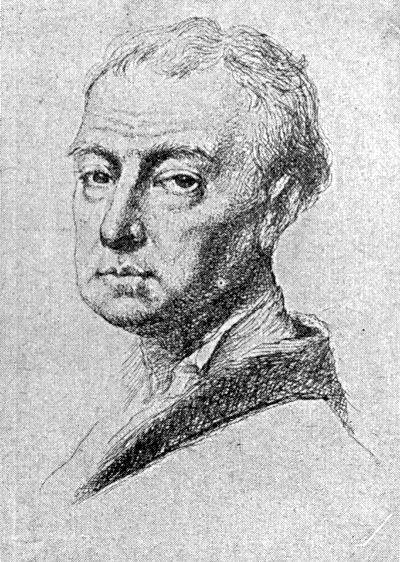
Samuel Richardson war ein britischer Schriftsteller, der vor allem für seine empfindsamen Tugendromane bekannt ist. Wikipedia
“Tired of myself longing for what I have not”
Samuel Richardson buch Clarissa
Quelle: Clarissa, or, the History of a Young Lady
Samuel Richardson buch The History of Sir Charles Grandison
Vol. 4, letter 17.
Sir Charles Grandison (1753–1754)
“The person who will bear much shall have much to bear, all the world through.”
Samuel Richardson buch Clarissa
Vol. 1, p. 44; Letter 10.
Clarissa (1747–1748)
“I know not my own heart if it be not absolutely free.”
Samuel Richardson buch Clarissa
Quelle: Clarissa, or, the History of a Young Lady
Samuel Richardson buch The History of Sir Charles Grandison
Vol. 3, letter 32.
Sir Charles Grandison (1753–1754)
Samuel Richardson buch The History of Sir Charles Grandison
Vol. 6, letter 45.
Sir Charles Grandison (1753–1754)
“Nothing can be more wounding to a spirit not ungenerous, than a generous forgiveness.”
Samuel Richardson buch Clarissa
Vol. 2, p. 478; Letter 135.
Clarissa (1747–1748)
Samuel Richardson buch The History of Sir Charles Grandison
Vol. 1, letter 36.
Sir Charles Grandison (1753–1754)
Samuel Richardson buch Clarissa
Vol. 2, p. 231; Letter 92.
Clarissa (1747–1748)
“Vast is the field of Science … the more a man knows, the more he will find he has to know.”
Samuel Richardson buch The History of Sir Charles Grandison
Vol. 1, letter 11.
Sir Charles Grandison (1753–1754)
“O! what a Godlike Power is that of doing Good! — I envy the Rich and the Great for nothing else!”
Samuel Richardson buch Pamela; or, Virtue Rewarded
Page 312
Pamela (1740)
“The pen is almost as pretty an implement in a woman's fingers, as a needle.”
Page 120.
The Correspondence of Samuel Richardson with Lady Bradshaigh (1804)
“Love gratified, is love satisfied — and love satisfied, is indifference begun.”
Samuel Richardson buch Clarissa
Vol. 2, p. 452; Letter 126.
Clarissa (1747–1748)
“My Master said, on another Occasion, that those who doubt most, always erred least.”
Samuel Richardson buch Pamela; or, Virtue Rewarded
Page 332
Pamela (1740)
Samuel Richardson buch The History of Sir Charles Grandison
Vol. 6, letter 46.
Sir Charles Grandison (1753–1754)
Samuel Richardson buch The History of Sir Charles Grandison
Vol. 1, letter 37.
Sir Charles Grandison (1753–1754)
“That dangerous but too commonly received notion, that a reformed rake makes the best husband.”
Samuel Richardson buch Clarissa
Vol. 1, p. 5; Preface.
Clarissa (1747–1748)
“The pleasures of the mighty are obtained by the tears of the poor.”
Samuel Richardson buch Clarissa
Vol. 1, p. 286; Letter 43.
Clarissa (1747–1748)
“Those who have least to do are generally the most busy people in the world.”
Samuel Richardson buch The History of Sir Charles Grandison
Vol. 2, letter 3.
Sir Charles Grandison (1753–1754)


