“To be happy does not mean to indulge in foolishness!”
José Rizal buch Noli Me Tángere
Quelle: Noli Me Tángere
José Protacio Mercado Rizal y Alonso Realonda war ein philippinischer Schriftsteller, Patriot, Arzt und Freimaurer, dessen Leben und literarisches Werk eine Inspiration für die philippinische Unabhängigkeitsbewegung darstellte u. a. der Katipunan. Er ist der Nationalheld der Philippinen.
Rizal unternahm ausgedehnte Reisen nach Belgien, England, Frankreich, Hongkong, Japan, Schweiz, Spanien, Österreich-Ungarn und durch die USA. Er hat auch längere Zeit in Deutschland gelebt und in Heidelberg mit Erfolg Medizin studiert. In Wilhelmsfeld nahe Heidelberg findet sich ein ihm gewidmetes Denkmal. Er hat in Ulm Kinderbücher illustriert u. a. die Neuillustration der „Max und Moritz“-Geschichten, sowie Schillers Wilhelm Tell in die philippinische Landessprache Tagalog übersetzt. Befreundet war er mit einem der besten Kenner der Philippinen, mit Ferdinand Blumentritt in Litoměřice, wo ein Denkmal für ihn errichtet wurde. 1887 wurde er Mitglied der Berliner Gesellschaft für Anthropologie, Ethnologie und Urgeschichte. Wikipedia
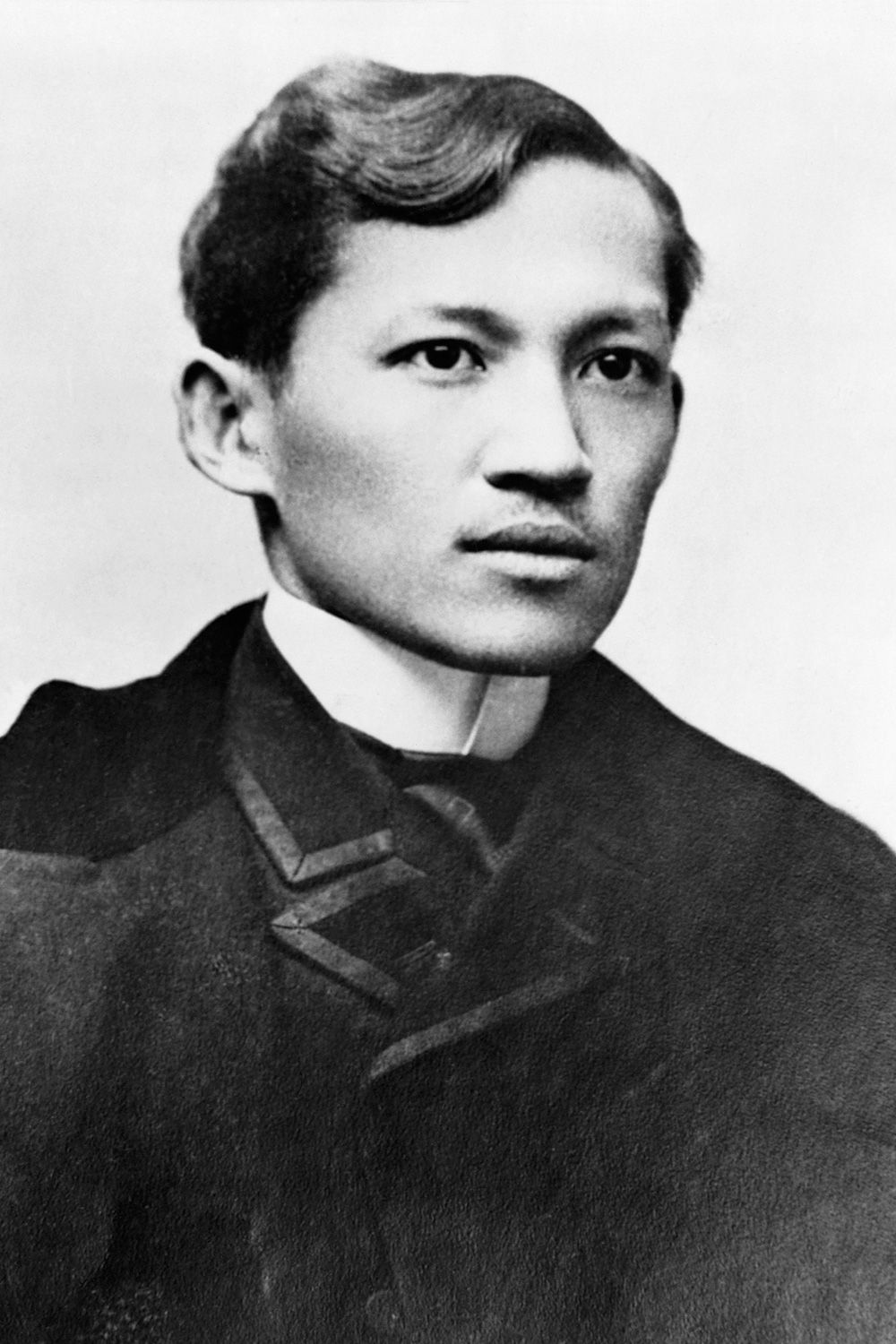
“To be happy does not mean to indulge in foolishness!”
José Rizal buch Noli Me Tángere
Quelle: Noli Me Tángere
José Rizal buch Noli Me Tángere
Noli me Tangere
Quelle: Noli Me Tángere
“I have to believe much in God because I have lost my faith in man.”
José Rizal buch Noli Me Tángere
Quelle: Noli Me Tángere
José Rizal buch Noli Me Tángere
Quelle: Noli Me Tángere
“It is not the criminals who arouse the hatred of others, but the men who are honest.”
José Rizal buch Noli Me Tángere
Quelle: Noli Me Tángere
“The example could encourage others who only fear to start.”
José Rizal buch Noli Me Tángere
Quelle: Noli Me Tángere
"Como se gobiernan las Filipinas" (How one governs in the Philippines), published in La Solidaridad (15 December 1890)
“Dying people don't need medicine, the ones who remain do.”
José Rizal buch Noli Me Tángere
Quelle: Noli Me Tángere
Toast to the artists Juan Luna and Felix Hidalgo: Madrid, Spain (25 June 1884)
“Truth does not need to borrow garments from error.”
Also translated as: Truth does not need to borrow garments from falsehood.
Noli me Tangere
José Rizal buch Noli Me Tángere
Quelle: Noli Me Tángere
“He who does not love his own language is worse than an animal and a smelly fish.”
This has long been attributed to Rizal as part of a poem, titled Sa Aking Mga Kabata (To My Fellow Children), he wrote at the age of 8, as quoted in " Community Celebrates Rizal Day" in Asian Journal USA (31 December 2007) http://asianjournalusa.com/community-celebrates-rizal-day-p3868-95.htm, but this has become disputed as highly unlikely in "Did young Rizal really write poem for children?" by Ambeth R. Ocampo, in Philippine Daily Inquirer (22 August 22 2011) http://newsinfo.inquirer.net/45479/did-young-rizal-really-write-poem-for-children <br class="br">Disputed
“He who would love much has also much to suffer.”
"To My__" (December 1890)
Letter to Blumentritt (24 December 1886)
"Mi Ultimo Adios" st. 13 - poem written on the eve of his execution (29 December 1896) - translated from the Spanish by Charles Derbyshire.
"The Philippines: A Century Hence" in La Solidaridad (1889-90) - translated from the Spanish by Charles Derbyshire
Open letter to Barrantes on the Noli, published in La Solidaridad (15 February 1890)
“; The glory of saving a country is not for him who has contributed to its ruin.”
José Rizal buch El Filibusterismo
El Filibusterismo
“Cowardice rightly understood begins with selfishness and ends with shame.”
José Rizal buch Noli Me Tángere
Quelle: Noli Me Tángere
“; There are no tyrants where there are no slaves.”
José Rizal buch El Filibusterismo
El Filibusterismo
"Laughter and Tears", an essay (c.1884)
“The tyranny of some is possible only through the cowardice of others.”
Letter to the Young Women of Malolos (22 February 1889) - translated from Tagalog by Gregorio Zaide


