Rollo May buch Love and Will
Quelle: Love and Will (1969), p. 313
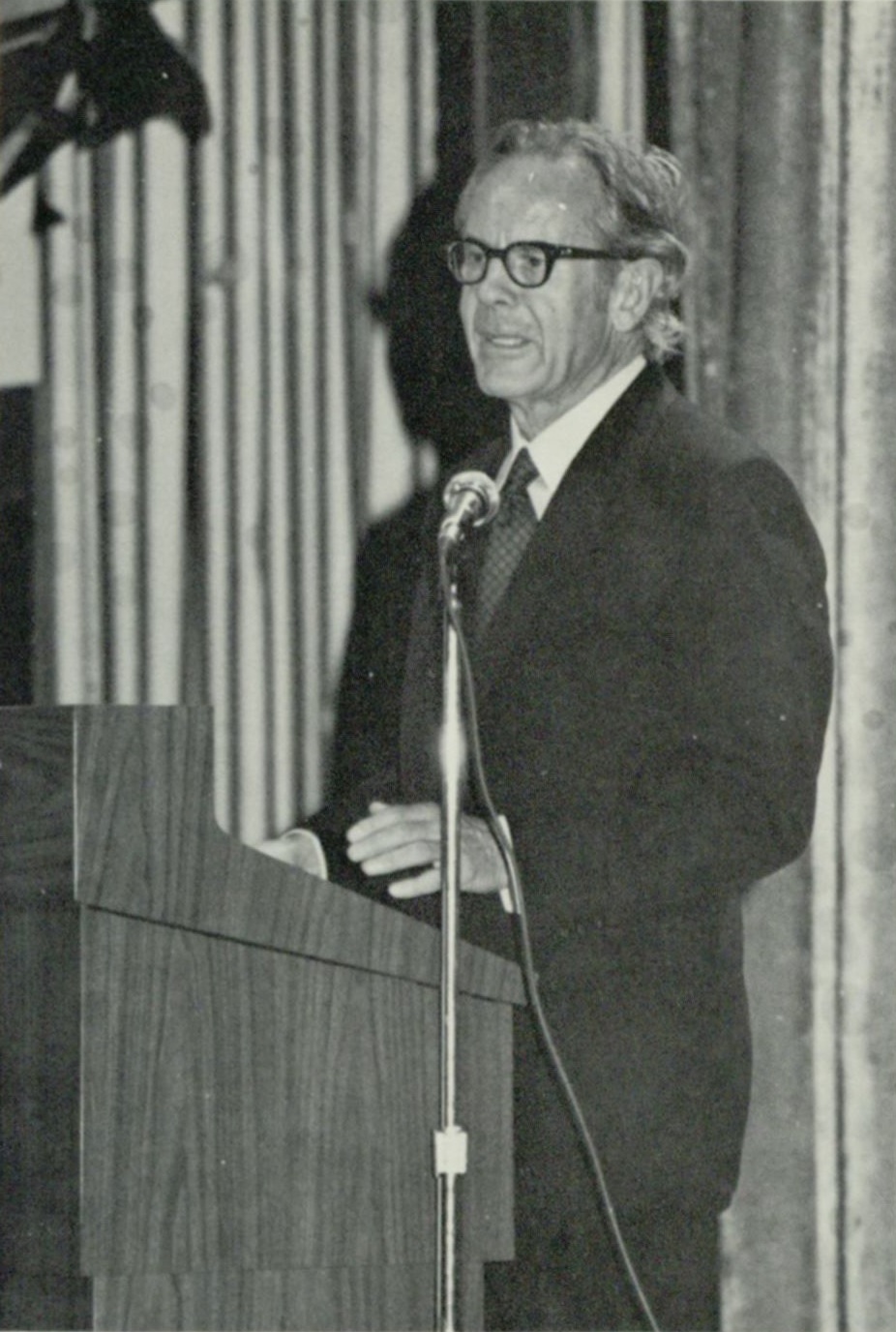
Rollo Reece May war ein US-amerikanischer existenzialistischer Psychologe. In der englischsprachigen Literatur wird sein Fachgebiet als existential psychotherapy bezeichnet. Er ist ein Vertreter der humanistischen Psychologie.Mays bekanntestes Buch ist Love and Will aus dem Jahre 1969. Zusammen mit Viktor Frankl gilt er als bedeutendster Vertreter der Existenzpsychotherapie. May war wesentlich von Paul Tillich beeinflusst.
Rollo May buch Love and Will
Quelle: Love and Will (1969), p. 313
Quelle: Existence (1958), p. 13; also published in The Discovery of Being : Writings in Existential Psychology (1983), Part II : The Cultural Background, Ch. 5 : Kierkegaard, Nietzsche, and Freud, p. 52
Quelle: The Courage to Create (1975), Ch. 1 : The Courage to Create, p. 16
Quelle: The Courage to Create (1975), Ch. 7 : Passion for Form, p. 134
Quelle: Man’s Search for Himself (1953), p. 138
Ch 2 : The Nature of Creativity, p. 41
The Courage to Create (1975)
Quelle: The Courage to Create (1975), Ch. 1 : The Courage to Create, p. 22
Quelle: Man’s Search for Himself (1953), p. 24
“There is no meaningful "yes" unless the individual could also have said "no."”
Quelle: Power and Innocence (1972), Ch. 11 : The Humanity of the Rebel
Rollo May buch Love and Will
Quelle: Love and Will (1969), Ch. 1 : Introduction : Our Schizoid World, p. 15
Quelle: The Discovery of Being (1983), p. 54
Rollo May buch Love and Will
Quelle: Love and Will (1969), p. 84
Quelle: The Courage to Create (1975), Ch. 1 : The Courage to Create, p. 40
Quelle: The Courage to Create (1975), Ch. 7 : Passion for Form, p. 127
Rollo May buch Love and Will
Quelle: Love and Will (1969), p. 129
“Hate is not the opposite of love; apathy is.”
Rollo May buch Love and Will
Quelle: Love and Will (1969), Ch. 1 : Introduction : Our Schizoid World, p. 29
Rollo May buch Love and Will
Quelle: Love and Will (1969), Ch. 1 : Introduction : Our Schizoid World, p. 32
“Technology is the knack of so arranging the world that we do not experience it.”
Max Frisch in Homo Faber : A Report (1957) Pt. 2
Misattributed
Quelle: Existence (1958), p. 35; also published in The Discovery of Being: Writings in Existential Psychology (1983), Part II : The Cultural Background, Ch. 5 : Kierkegaard, Nietzsche, and Freud, p. 86
Quelle: Man’s Search for Himself (1953), p. 220
Quelle: Psychology and the Human Dilemma (1967), p. 30
Quelle: Power and Innocence (1972), Ch. 11 : The Humanity of the Rebel
Quelle: The Courage to Create (1975), Ch. 1 : The Courage to Create, p. 12
Quelle: Existence (1958), p. 36; also published in The Discovery of Being : Writings in Existential Psychology (1983), Part II : The Cultural Background, Ch. 5 : Kierkegaard, Nietzsche, and Freud, p. 87
Quelle: Power and Innocence (1972), Ch. 11 : The Humanity of the Rebel
Rollo May buch Love and Will
Quelle: Love and Will (1969), Ch. 1 : Introduction : Our Schizoid World, p. 31
Rollo May buch Love and Will
Quelle: Love and Will (1969), p. 289
Quelle: The Courage to Create (1975), Ch. 4 : Creativity and the Encounter, p. 79
Quelle: Man’s Search for Himself (1953), p. 192


