Robert Chambers (publisher, born 1802) buch Vestiges of the Natural History of Creation
Quelle: Vestiges of the Natural History of Creation (1844), p. 310
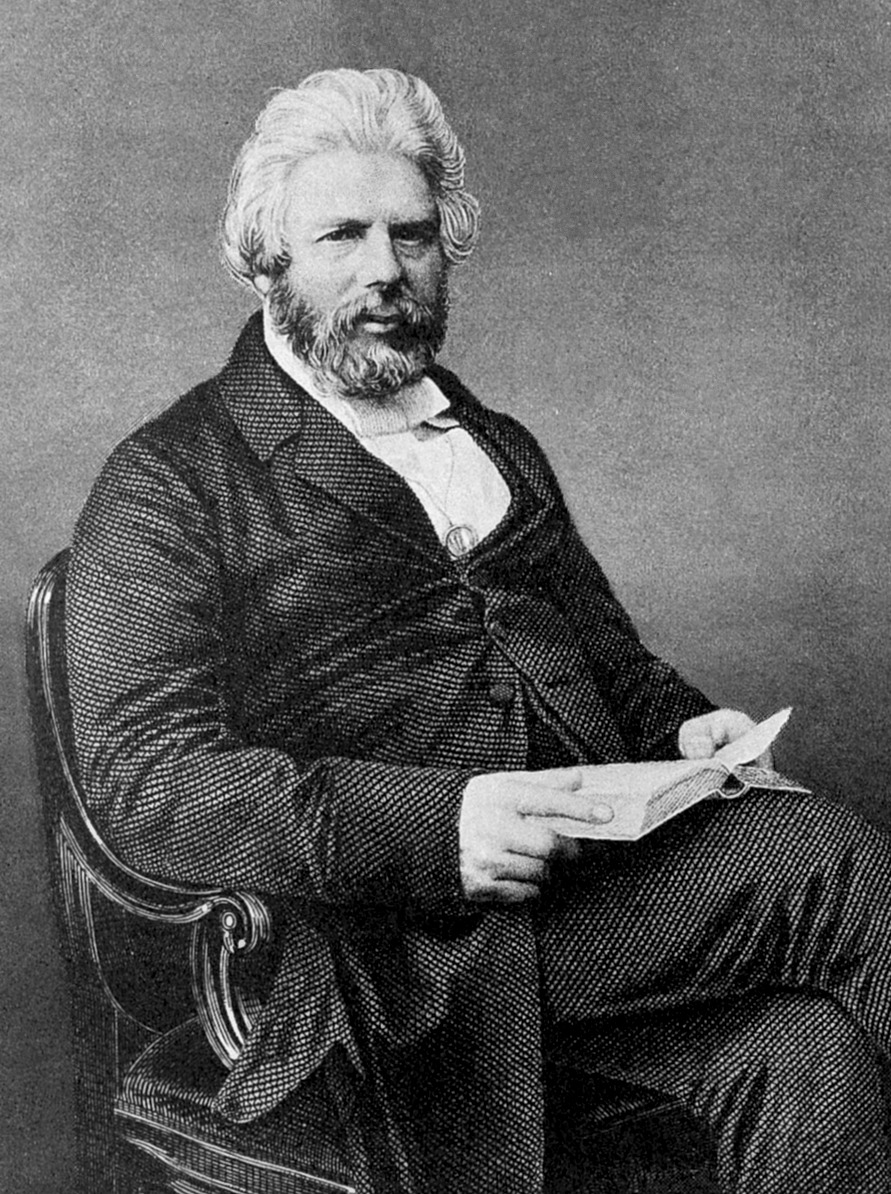
Robert Chambers war ein schottischer Autor, Geologe, Literat und zu seiner Zeit einer der erfolgreichsten Verleger Großbritanniens. Wikipedia
Robert Chambers (publisher, born 1802) buch Vestiges of the Natural History of Creation
Quelle: Vestiges of the Natural History of Creation (1844), p. 310
“A parish where life is precarious pays more poor-rates than its neighbors.”
Robert Chambers (publisher, born 1802)
Quelle: Sanitary Economy (1850), p. 12
Robert Chambers (publisher, born 1802) buch Vestiges of the Natural History of Creation
Quelle: Vestiges of the Natural History of Creation (1844), p. 60
Robert Chambers (publisher, born 1802) buch Vestiges of the Natural History of Creation
Quelle: Vestiges of the Natural History of Creation (1844), p. 3-4
Robert Chambers (publisher, born 1802)
Quelle: Sanitary Economy (1850), p. 12
Robert Chambers (publisher, born 1802) buch Vestiges of the Natural History of Creation
Quelle: Vestiges of the Natural History of Creation (1844), p. 281-282
Robert Chambers (publisher, born 1802) buch Vestiges of the Natural History of Creation
Quelle: Vestiges of the Natural History of Creation (1844), p. 250
“Phenomena appear, in a word, to be explicable on the ground of development.”
Robert Chambers (publisher, born 1802) buch Vestiges of the Natural History of Creation
We have already seen that various leading animal forms represent stages in the embryotic progress of the highest—the human being. Our brain goes through the various stages of a fish's, a reptile's, and a mammifer's brain, and finally becomes human.
Quelle: Vestiges of the Natural History of Creation (1844), p. 306
Robert Chambers (publisher, born 1802) buch Vestiges of the Natural History of Creation
Quelle: Vestiges of the Natural History of Creation (1844), p. 60
Robert Chambers (publisher, born 1802) buch Vestiges of the Natural History of Creation
We live at a time when many have been formed and many are still forming.
Quelle: Vestiges of the Natural History of Creation (1844), p. 20


