„Das Geschlecht, nicht die Religion, ist das Opium des Volkes.“
zitiert in "das baugerüst 4/03 gender mainstreaming" - Ulrike Hormel, Albert Scherr: Beobachtungen im Geschlechtertheater. 2003
Erving Goffman war ein kanadischer Soziologe.
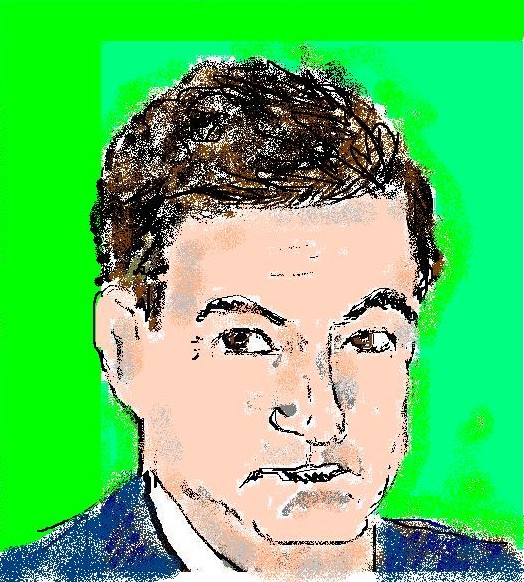
„Das Geschlecht, nicht die Religion, ist das Opium des Volkes.“
zitiert in "das baugerüst 4/03 gender mainstreaming" - Ulrike Hormel, Albert Scherr: Beobachtungen im Geschlechtertheater. 2003
Ulrike Hormel, Albert Scherr: Beobachtungen im Geschlechtertheater. 2003
Erving Goffman (1967: 10), as cited in: Trevino (2003,, p. 37).
1950s-1960s
Erving Goffman buch The Presentation of Self in Everyday Life
Quelle: 1950s-1960s, The Presentation of Self in Everyday Life, 1959, p. 121 (1973 edition)
Erving Goffman buch Stigma
Quelle: 1950s-1960s, Stigma, 1963, p. 18
Erving Goffman buch Stigma
Quelle: 1950s-1960s, Stigma, 1963, p. 11-12
Erving Goffman buch The Presentation of Self in Everyday Life
Quelle: 1950s-1960s, The Presentation of Self in Everyday Life, 1959, p. 13.
Erving Goffman buch The Presentation of Self in Everyday Life
p 252; Cited in: Javier Trevino, Goffman's Legacy. Rowman & Littlefield Publishers, 2003, p. 55.
1950s-1960s, The Presentation of Self in Everyday Life, 1959
Erving Goffman buch The Presentation of Self in Everyday Life
Quelle: 1950s-1960s, The Presentation of Self in Everyday Life, 1959, p. 229
Erving Goffman buch Stigma
Quelle: 1950s-1960s, Stigma, 1963, p. 56
Erving Goffman buch Stigma
Quelle: 1950s-1960s, Stigma, 1963, p. 13
Erving Goffman buch The Presentation of Self in Everyday Life
Preface, lead paragraph
1950s-1960s, The Presentation of Self in Everyday Life, 1959
Erving Goffman buch Asylums
Quelle: 1950s-1960s, Asylums, 1961, p. xxi; lead paragraph
Erving Goffman buch Asylums
Quelle: 1950s-1960s, Asylums, 1961, p. 4-5
Erving Goffman (1971), Encounters: Two Studies in the Sociology of Interaction, p. 38; As quoted by R. D. Laing in The Politics of Experience
1970s-1980s
Erving Goffman (1981, p. 1); As cited in: Trevino (2003,, p. 34).
1970s-1980s
Erving Goffman buch Asylums
Quelle: 1950s-1960s, Asylums, 1961, p. 5-6
Erving Goffman buch The Presentation of Self in Everyday Life
Quelle: 1950s-1960s, The Presentation of Self in Everyday Life, 1959, p. 155
Erving Goffman buch Asylums
1950s-1960s, Asylums, 1961
Erving Goffman buch The Presentation of Self in Everyday Life
Quelle: 1950s-1960s, The Presentation of Self in Everyday Life, 1959, p. 236
Erving Goffman buch The Presentation of Self in Everyday Life
Quelle: 1950s-1960s, The Presentation of Self in Everyday Life, 1959, p. 121
Erving Goffman buch The Presentation of Self in Everyday Life
Quelle: 1950s-1960s, The Presentation of Self in Everyday Life, 1959, p. 126
Erving Goffman buch Stigma
Preface, lead paragraph
1950s-1960s, Stigma, 1963
Erving Goffman buch The Presentation of Self in Everyday Life
Quelle: 1950s-1960s, The Presentation of Self in Everyday Life, 1959, p. 155-6
Quelle: 1950s-1960s, Behavior in Public Places, 1963, p. 23; Cited in: Philip Manning, Erving Goffman and Modern Sociology (Stanford University Press, 1992), p. 88.
Erving Goffman buch Stigma
Quelle: 1950s-1960s, Stigma, 1963, p. 112-3
Erving Goffman buch Stigma
Erving Goffman (1963), Stigma: Notes on the Management of Spoiled Identity, p. 5-6, ISBN 1439188335
1950s-1960s
Erving Goffman buch Stigma
Preface
1950s-1960s, Stigma, 1963
Frame Analysis (1974) quoted by Edward O. Wilson in On Human Nature (1978) Ch. 4 "Emergence" p. 93
1970s-1980s
Erving Goffman buch Stigma
Quelle: 1950s-1960s, Stigma, 1963, p. 1-2 Lead paragraph
Erving Goffman buch Stigma
Quelle: 1950s-1960s, Stigma, 1963, Ch.2 - p. 85


